
What is Endometriosis? Symptoms, Stages, Causes & Treatment
- Home
- What is Endometriosis?
- adminshar
- 0 Comments
What is Endometriosis? A Complete Guide by Sharada Hospital
Endometriosis is one of the most common yet widely misunderstood gynecological conditions affecting millions of women worldwide. Despite its prevalence, it often goes undiagnosed for years because its symptoms mimic other conditions like PCOS, pelvic inflammatory disease, and irritable bowel syndrome. Understanding What is Endometriosis? is vital for early diagnosis, timely treatment, and improved quality of life.
At Sharada Hospital, we regularly treat women suffering from pelvic pain, heavy bleeding, and fertility issues caused by endometriosis. This comprehensive guide will explain everything you need to know from symptoms and causes to diagnosis, stages, and advanced treatment options.
What is Endometriosis?
Endometriosis is a chronic condition where tissue similar to the lining of the uterus (called the endometrium) grows outside the uterus. Instead of shedding during menstruation, this displaced tissue becomes trapped inside the body, causing inflammation, scarring, pain, and cyst formation.
These abnormal tissue growths can develop on:
• Ovaries
• Fallopian tubes
• Outer surface of the uterus
• Pelvic lining
• Bladder
• Intestines
• In rare cases, lungs and other
organs.
Since the trapped tissue responds to monthly hormonal changes, endometriosis can lead to severe pain, heavy periods, and fertility challenges.
What Causes Endometriosis?
- 1. Retrograde Menstruation
Some menstrual blood flows backward through the fallopian tubes into the pelvic cavity instead of exiting the body. These endometrial cells then implant and grow.
2. Genetics
Women with a family history of endometriosis have a higher risk of developing it.
3. Immune System Dysfunction
A weak immune system may fail to destroy misplaced endometrial tissue.
4. Hormonal Imbalance
Excess estrogen may support the growth of abnormal tissue.
5. Surgical Scars
During procedures like C-sections, endometrial cells can accidentally attach to incision sites.
6. Metaplasia Theory
Cells in the pelvis may transform into endometrial-like cells.
Who Is at Risk of Endometriosis?
You may be at higher risk if you have:
• Family history of endometriosis
• Short menstrual cycles
• Heavy bleeding lasting more than 7 days
• First period at an early age
• Never been pregnant
• Conditions that block menstrual flow
Women between ages 25 and 40 are most commonly diagnosed, although symptoms can start during teenage years.
Symptoms of Endometriosis
Understanding What is Endometriosis also means recognizing its symptoms early. The severity of symptoms does not always match the extent of the disease even mild endometriosis can cause severe pain.
Common Symptoms Include:
1. Pelvic Pain
Often severe and may worsen during menstrual cycles.
2. Painful Periods (Dysmenorrhea)
Cramping may begin days before menstruation and last throughout the cycle.
3. Pain During Intercourse
Discomfort is typically deep and sharp.
4. Heavy Menstrual Bleeding
Periods may be prolonged, heavy, or accompanied by clots.
5. Painful Bowel Movements or Urination
Especially noticeable during periods.
6. Infertility
Endometriosis affects fertility by blocking tubes, damaging ovaries, or altering pelvic anatomy.
7. Fatigue, Bloating & Nausea
Often dismissed as normal menstrual symptoms.
How Endometriosis Affects Fertility
Endometriosis is one of the leading causes of infertility. It may:
• Block fallopian tubes
• Affect egg quality
• Cause ovarian cysts (endometriomas)
• Create pelvic adhesions
• Interfere with embryo implantation
However, many women with endometriosis can still conceive naturally or with medical support.
Types of Endometriosis
Endometriosis can appear in different forms:
1. Superficial Peritoneal Endometriosis
Shallow lesions on the pelvic lining.
2. Ovarian Endometriomas
Dark “chocolate cysts” filled with old blood.
3. Deep Infiltrating Endometriosis (DIE)
Lesions that grow deep into tissues like the bowel, bladder, or ligaments.
4. Adhesions
Scar tissues that bind organs together.
Stages of Endometriosis
Doctors classify endometriosis into four stages based on size, depth, and spread:
Stage 1: Minimal
Few small lesions and little to no scar tissue.
Stage 2: Mild
More lesions, but still shallow; mild scar tissue may be present.
Stage 3: Moderate
Deep implants, ovarian cysts, and more adhesions.
Stage 4: Severe
Large cysts, deep implants, and extensive adhesions affecting organs.
How Is Endometriosis Diagnosed?
Diagnosis can take several years because symptoms overlap with other conditions. At Sharada Hospital, we use a combination of clinical evaluation and advanced tests.
1. Medical History & Physical Examination
A pelvic exam helps detect cysts or tenderness.
2. Ultrasound
Helps identify endometriomas in the ovaries.
3. MRI Scan
Provides detailed images of deep infiltrating endometriosis.
4. Laparoscopy (Gold Standard)
A minimally invasive surgery that allows direct visualization and confirmation of endometriosis. It also enables the removal of lesions during the same procedure.
Treatment Options for Endometriosis
Treatment depends on symptoms, severity, age, and pregnancy plans. At Sharada Hospital, a personalized treatment approach is followed.
1. Pain Management
• Anti-inflammatory medications
• Hormonal contraceptives
• Progesterone therapies
2. Hormonal Treatment
Hormone therapy helps slow the growth of endometrial tissue by lowering estrogen.
Options include:
• Birth control pills
• GnRH agonists and antagonists
• Progesterone-only treatments
• Hormonal IUD
3. Surgical Treatment
For moderate to severe cases, surgery may be recommended.
• Laparoscopic Surgery
• Removes lesions
• Treats adhesions
• Drains or removes ovarian cysts
• Restores normal pelvic anatomy
This improves pain and increases chances of pregnancy.
4. Fertility Treatments
If endometriosis affects fertility, options include:
• Ovulation induction
• IUI (Intrauterine insemination)
• IVF (In Vitro Fertilization)
5. Lifestyle & Dietary Changes
• Anti-inflammatory diet
• Regular exercise
• Stress reduction
• Heat therapy
• Adequate sleep
These do not cure endometriosis but help manage symptoms.
Can Endometriosis Be Cured?
There is no permanent cure for endometriosis, but the condition can be effectively managed. Many women lead normal, pain-free lives with the right combination of treatment, lifestyle modification, and follow-ups.
Early diagnosis plays a major role in preventing complications.
When to Visit Sharada Hospital for Endometriosis?
Visit a gynecologist at Sharada Hospital if you experience:
• Painful or heavy periods
• Persistent pelvic pain
• Difficulty getting pregnant
• Pain during intercourse
• Severe cramps affecting daily life
Our specialists offer advanced diagnostic tools, laparoscopic expertise, and individualized treatment plans to help women regain comfort, fertility, and peace of mind.
Living with Endometriosis – Tips for Daily Life
• Track your symptoms and menstrual cycle.
• Maintain a healthy weight and active lifestyle.
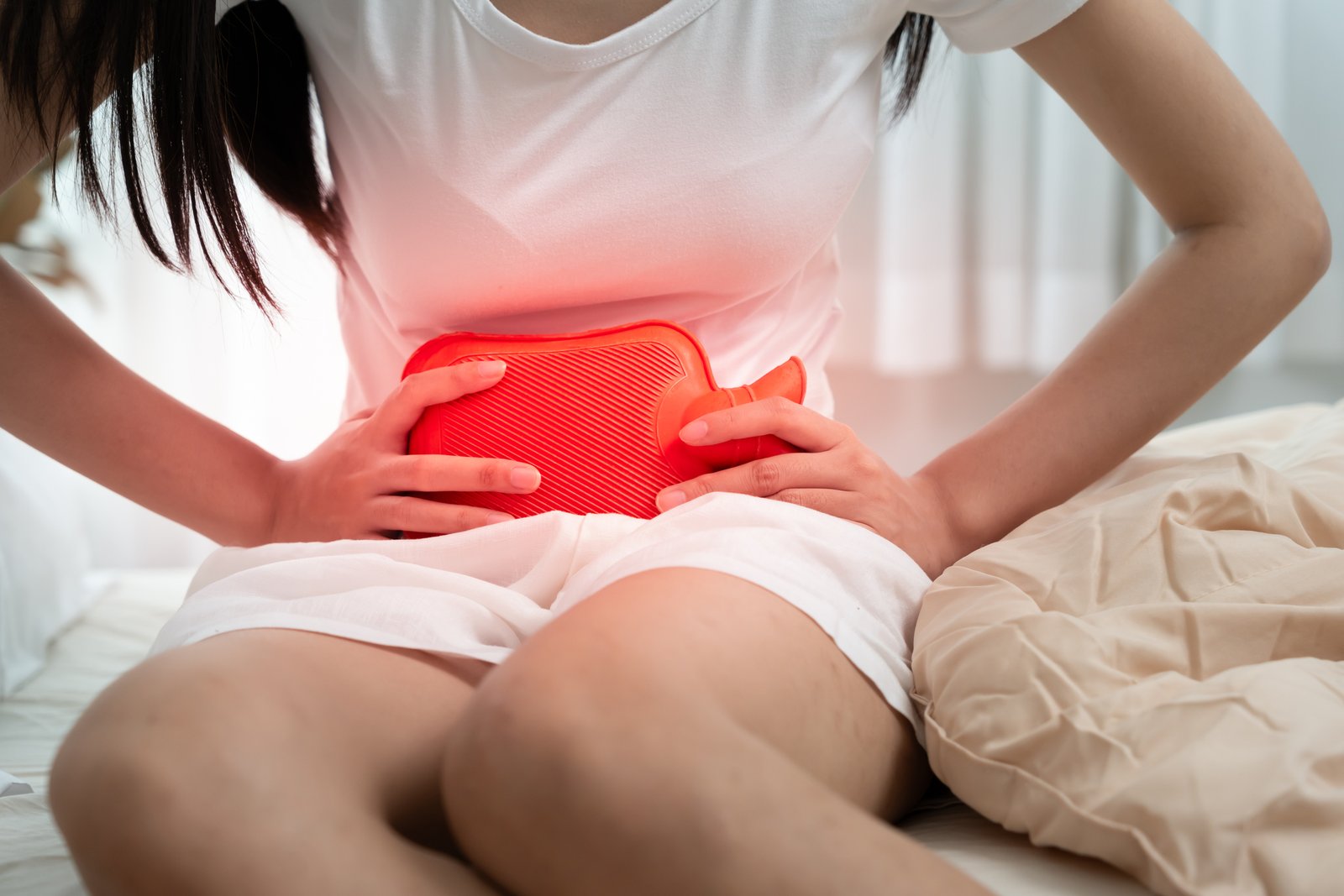
• Use heat pads for pain relief.
• Explore pelvic physiotherapy if recommended.
• Don’t ignore symptoms early intervention helps.
Remember, you are not alone. With proper medical care, endometriosis is manageable.
Conclusion
Understanding What is Endometriosis? is the first step toward early detection, better management, and improved quality of life. Endometriosis is a complex condition that impacts a woman’s physical, emotional, and reproductive health. Sharada Hospital is committed to providing compassionate care, accurate diagnosis, and advanced treatment options to help women manage this chronic condition effectively.
If you suspect endometriosis or experience any persistent symptoms, seeking expert care early can make a significant difference.