
Pregnancy During Extreme Heat: 9 Precautions Every Expectant Mother Should Know
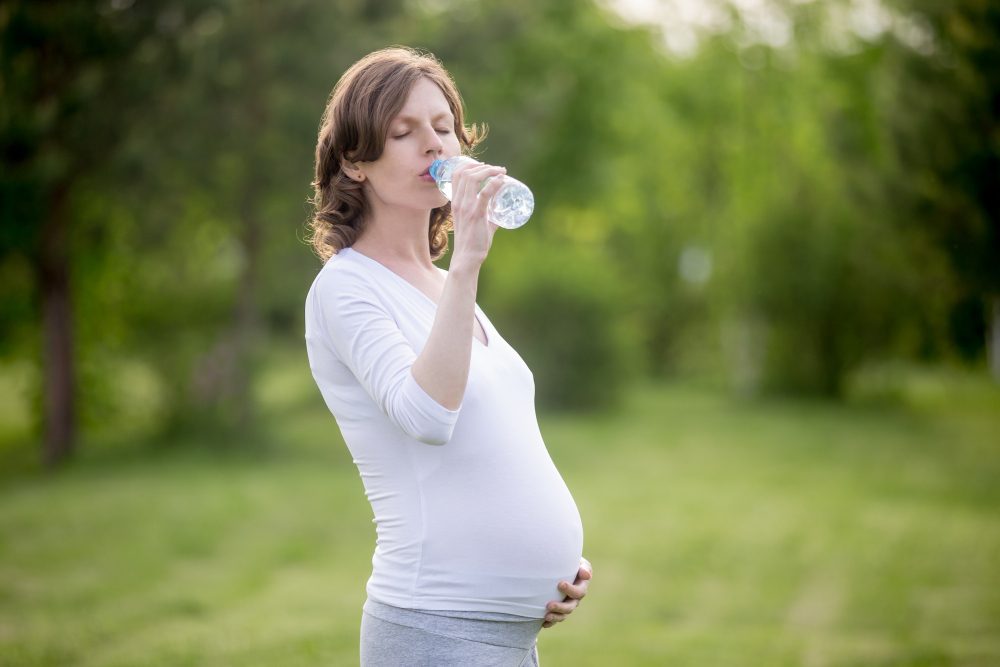
Hot and humid weather in Navi Mumbai can be uncomfortable, especially during pregnancy. When temperatures rise, the body works harder to regulate its temperature while supporting the baby’s development. Taking precautions during periods of extreme heat can help reduce the risk of dehydration and heat-related illness.
This guide explains nine practical precautions for managing pregnancy during extreme heat, the warning signs to watch for, and when to seek medical advice.
Why Is Pregnancy During Extreme Heat a Concern?
During pregnancy, your blood volume rises, your metabolism speeds up, and your body produces more heat. This makes it harder to cool down. Dehydration, heat exhaustion, and swelling can develop faster than usual.
Most women manage the summer well with simple habits. Doctors still advise extra caution, because pregnancy during extreme heat can cause problems such as low blood pressure, fainting, and reduced fluid levels.
9 Precautions for Pregnancy During Extreme Heat
1. Drink Fluids Regularly
Don’t wait until you feel thirsty. Drink water, coconut water, buttermilk, and diluted lemon water through the day. Ask your doctor how much suits you, especially if you have swelling or blood pressure concerns.
1. Drink Fluids Regularly
Try to stay indoors between about 11 am and 4 pm. If you must go out, choose early morning or evening.
3. Wear Light, Loose Clothing
Cotton and other breathable fabrics help sweat evaporate. Tight clothes trap heat and can make swelling feel worse.
4. Keep Your Surroundings Cool
Use fans, coolers, or air conditioning where you can. A cool shower or damp cloth on your neck can bring quick relief.
5. Eat Light, Fresh Meals
Choose fruits, vegetables, curd, and home-cooked food. Water-rich fruits like watermelon and cucumber also add fluids. Avoid stale food, because food infections are more common in summer.
6. Limit Tea, Coffee, and Sugary Drinks
Caffeine and sweet drinks can increase fluid loss. Keep them moderate.
7. Rest and Keep Activity Gentle
Light walking in a cool setting is usually fine. Avoid heavy exertion outdoors. Rest whenever you feel tired.
8. Avoid Hot Tubs and Very Hot Baths
Raising your core body temperature sharply is not advised in pregnancy. Lukewarm water is a safer choice.
9. Keep Up Your Prenatal Check-Ups
Regular visits help your doctor track blood pressure, weight, and hydration. Never skip a scheduled visit because of the heat. Pregnancy during extreme heat can change how your body responds, so your care plan may need small adjustments.
Who May Need Extra Care?
Some women need closer attention in hot weather. These include women who have:
- High blood pressure or diabetes
- Twin or multiple pregnancies
- Anaemia
- A history of pregnancy complications
- Work that keeps them outdoors
If any of these apply to you, speak with your doctor about managing pregnancy during extreme heat safely.
Warning Signs: When to See a Doctor
Seek medical help promptly if you experience:
- Persistent dizziness or fainting
- Severe headache
- Very little urine or dark urine
- Fever, or hot, dry skin with no sweating
- Rapid heartbeat or breathlessness
- Reduced baby movements
- Vomiting that doesn’t stop
- Abdominal pain or leaking of fluid
Don’t wait for these to settle on their own. Early assessment protects both mother and baby.
Healthy Habits While Trying to Conceive
Small changes can support your reproductive health:
- Take folic acid as advised by your doctor
- Maintain a healthy weight
- Avoid smoking, tobacco, and alcohol
- Limit caffeine
- Manage stress through sleep, movement, and rest
- Track your cycle to understand your fertile window
Why Choose Sharada Hospital for Pregnancy Care?
Sharada Hospital provides antenatal care for women in Kalamboli and nearby areas. The care team focuses on:
- Regular antenatal check-ups and monitoring
- Diagnostic and ultrasound services
- Guidance on diet, hydration, and daily routine
- Care tailored to each woman’s health needs
- Support for pregnancy-related concerns
The team aims to explain each step of pregnancy care clearly, helping women make informed decisions about their health. Individual outcomes may vary, and treatment recommendations depend on medical evaluation.
Frequently Asked Questions
Mild summer heat is generally manageable with good hydration and rest. Problems arise when the mother becomes overheated or dehydrated, so pregnancy during extreme heat needs sensible precautions.
Needs vary from person to person. Many doctors suggest around 2.5 to 3 litres of fluids daily in hot weather. Confirm the right amount with your doctor.
Gentle activity such as indoor walking is usually fine if your doctor approves. Avoid exercising outdoors in peak heat.
Mild swelling of the feet is common. Sudden swelling of the face or hands, or swelling with headache, needs urgent evaluation.
Conclusion:
Pregnancy during extreme heat requires a few extra precautions, particularly when temperatures and humidity are high. Drinking fluids regularly, resting in a cool environment, wearing breathable clothing, and attending routine antenatal check-ups can help you manage hot weather more comfortably.
If you have concerns about heat exposure or experience any unusual symptoms during pregnancy, contact Sharada Women’s Hospital for information about pregnancy care and available support.