
Missed Periods: Possible Reasons Every Woman Should Know
- Home
- Missed Periods: Possible Reasons Every Woman Should Know
- adminshar
- 0 Comments
Missed Periods: Possible Reasons You Shouldn’t Ignore
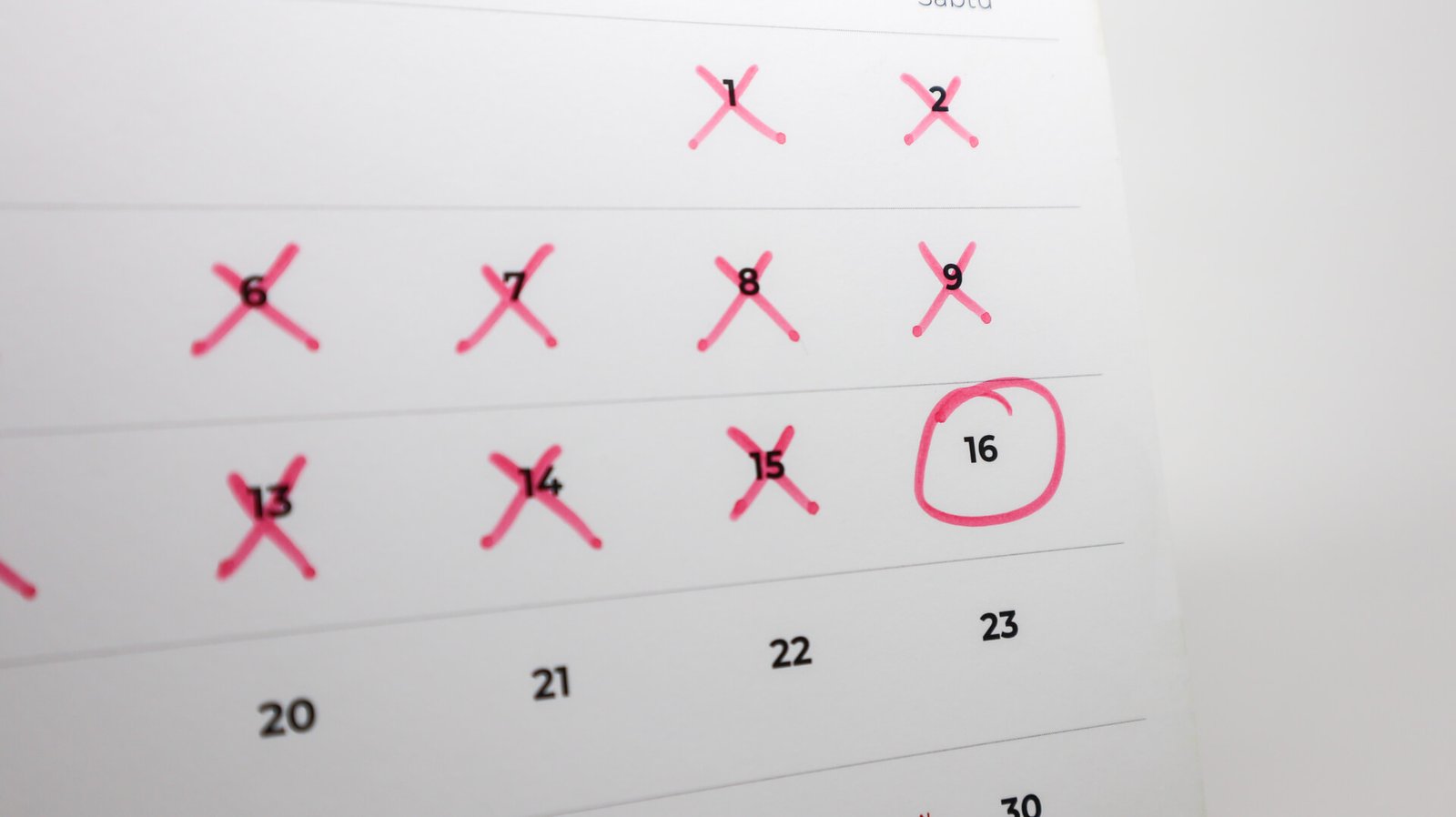
Missing a period can be confusing, stressful, and sometimes frightening.
For many women, the first thought is pregnancy. For others, it brings worries about hormones, health, or fertility. While a missed period doesn’t always signal a serious problem, it is your body’s way of communicating that something has changed.
Understanding the missed periods: possible reasons can help you decide when to wait, when to monitor, and when to seek medical advice.
Is It Normal to Miss a Period Occasionally?
Yes, missing a period once in a while can be completely normal.
Your menstrual cycle is sensitive to physical, emotional, and hormonal changes. Even women with usually regular cycles may occasionally miss a period due to temporary factors.
However, if missed periods become frequent or start affecting your overall health, it’s important not to ignore them.
Pregnancy: The First Thing to Rule Out
Pregnancy is the most common and obvious reason for a missed period
➡You used contraception
➡ You don’t feel “pregnant”
➡Your cycles are usually irregular
Pregnancy should still be ruled out first. Early pregnancy symptoms can be subtle or absent altogether. A simple test or consultation with a gynecologist can provide clarity and peace of mind.
Stress Can Delay or Stop Your Period
Stress affects your hormones more than most people realize.
Emotional stress, work pressure, lack of sleep, or major life changes can interfere with ovulation. When ovulation is delayed or skipped, your period may not come on time or at all.
If your period returns once stress levels reduce, it’s usually not a cause for concern. Persistent stress-related missed periods, however, should be evaluated.
Sudden Weight Changes
Your body needs hormonal balance to maintain regular cycles, and weight plays an important role.
- Rapid weight loss, extreme dieting, or intense workouts can stop ovulation
- Sudden weight gain can disrupt estrogen levels
Both situations may result in missed or irregular periods. When weight-related changes affect your cycle for more than a couple of months, medical advice is recommended.
Polycystic Ovary Syndrome (PCOS)
PCOS is one of the most common causes of missed or irregular periods, especially in younger women.
Along with missed periods, PCOS may cause:
➡ Acne or oily skin
➡ Excess facial or body hair
➡ Weight gain
➡ Difficulty getting pregnant
Early diagnosis helps manage symptoms effectively and protects long-term reproductive health.
Hormonal Imbalances
Hormones control every phase of your menstrual cycle. Even a slight imbalance can delay or stop periods.
Common hormonal issues include:
➡ Thyroid disorders
➡ High prolactin levels
➡ Perimenopause (early menopausal changes)
Blood tests and ultrasound imaging are often enough to identify the cause and guide treatment.
Excessive Physical Activity
Exercise is healthy but overdoing it can work against your cycle.
Women who suddenly increase workout intensity, train excessively, or have physically demanding routines may experience missed periods due to hormonal suppression.
This is your body’s way of conserving energy. If periods stop for two or more months, it’s time to consult a doctor.
Underlying Gynecological Conditions
Sometimes, missed periods are linked to medical conditions such as:
➡ Ovarian cysts
➡ Uterine fibroids
➡ Pelvic infections
These conditions may not always cause pain initially, which is why cycle changes should not be ignored.
Missed Periods and Fertility Concerns
Regular periods usually indicate regular ovulation. When periods are missed frequently, ovulation may not be happening consistently which can affect fertility.
If you’re planning a pregnancy and noticing irregular cycles, early evaluation by a gynecologist or infertility specialist can improve outcomes and reduce delays.
When Should You See a Doctor?
You should seek medical advice if:
➡ You miss periods for two or more consecutive months
➡ Your cycle becomes irregular suddenly
➡ Missed periods are accompanied by pain, excessive hair growth, or acne
➡ You are trying to conceive
Early consultation often prevents complications and reduces anxiety.
Final Thoughts: Your Period Is a Health Indicator
Your menstrual cycle reflects your overall health.
While an occasional missed period can be normal, repeated missed periods are not something to “wait out” indefinitely. Listening to your body early helps maintain hormonal balance, reproductive health, and peace of mind.
If you’re unsure about the reason behind a missed period, a consultation at a trusted gynecology clinic like Sharada can help you understand what’s happening and what to do next.
If you experience symptoms discussed above, book a consultation via our Contact Us page today.”