
Irregular Periods: Common Causes and When to See a Gynecologist
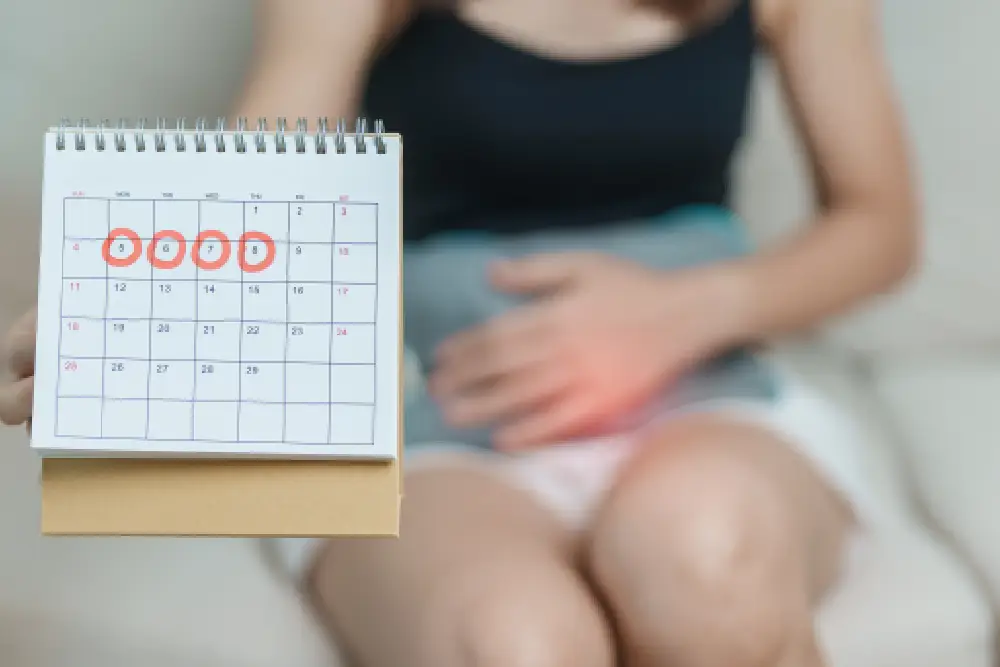
A regular menstrual cycle is often taken as a quiet sign that everything inside the body is working the way it should. So when periods start arriving early, late, or not at all, it’s natural to feel a little worried. The good news is that irregular periods are extremely common, and in most cases, they are easy to understand and treat once you know the underlying cause.
What Counts as an Irregular Period?
A normal menstrual cycle typically lasts anywhere between 21 and 35 days, with bleeding lasting 2 to 7 days. Periods are usually considered irregular when:
- 1. The gap between two cycles is shorter than 21 days or longer than 35 days
- 2. Periods are missed for three months or more (without pregnancy)
- 3. Bleeding is unusually heavy, unusually light, or lasts far longer than a week
- 4. Spotting occurs between periods
- 5. The flow or cycle length keeps changing unpredictably month to month
An occasional irregular cycle is rarely a cause for alarm stress, travel, or a minor illness can shift things temporarily. But when irregularity becomes a pattern, it usually points to something that deserves attention.
Common Causes of Irregular Periods:
Irregular periods can stem from a wide range of causes, some temporary and some that need ongoing management. Here are the ones seen most often in clinical practice.
1. Hormonal Imbalance
The menstrual cycle is controlled by a delicate balance of hormones, mainly estrogen and progesterone. Even a small disruption in this balance, often linked to the thyroid gland or the pituitary gland, can throw the entire cycle off track, leading to delayed, missed, or unusually heavy periods.
2. PCOS / PCOD
Polycystic Ovary Syndrome (PCOS) or PCOD is one of the leading causes of irregular periods in women of reproductive age. It affects ovulation, which in turn affects cycle regularity. Along with irregular periods, PCOS can also cause weight gain, acne, excess facial or body hair, and difficulty conceiving. It’s a manageable condition, but it does need proper diagnosis and long-term care.
3. Stress and Lifestyle Factors
Chronic stress, poor sleep, sudden weight loss or gain, over-exercising, and irregular eating habits can all interfere with the hormones that regulate ovulation. Many women notice their cycles becoming irregular during particularly demanding phases of work or personal life, and often see them normalize once stress levels come down.
4. Perimenopause
For women in their late 30s and 40s, irregular periods can be an early sign of perimenopause — the transitional phase before menopause. Cycles may become shorter, longer, heavier, or lighter as hormone levels naturally decline.
5. Uterine Conditions
Fibroids, polyps, and endometriosis can all disrupt the regularity and flow of periods, often causing heavier bleeding or pain along with irregular timing. These conditions are common and, in most cases, treatable, but they should be diagnosed by a doctor rather than self-managed.
6. Contraception and Medications
Starting or stopping birth control pills, using an IUD, or taking certain medications (including some for thyroid conditions, diabetes, or blood pressure) can temporarily alter cycle patterns.
7. Pregnancy-Related Causes
A missed period is sometimes the first sign of pregnancy. Irregular bleeding can also occur during early pregnancy or after a miscarriage, and these situations always warrant medical evaluation.
8. Infections
Pelvic infections or sexually transmitted infections can sometimes cause irregular spotting or bleeding between periods, along with other symptoms like pain or unusual discharge.
Occasional changes in your menstrual cycle may not be a cause for concern. However, you should consult a gynecologist if you experience:
- 1. Irregular periods for three months or more
- 2. Missed periods without pregnancy
- 3. Very heavy bleeding or periods lasting more than 7 days
- 4. Severe menstrual or pelvic pain
- 5. Bleeding between periods or after intercourse
- 6. Sudden changes in a previously regular cycle
- 7. Irregular periods along with acne, excess hair growth, or unexplained weight changes
- 8. No periods for three or more months without pregnancy, breastfeeding, or menopause
Persistent irregular periods can sometimes be linked to PCOS, thyroid problems, hormonal changes, or other gynaecological conditions. Early evaluation can help identify the cause and guide appropriate treatment.
If you’re looking for a gynaecologist, Sharada Women’s Hospital offers dedicated care for menstrual disorders, PCOS/PCOD, and other women’s health concerns. Women who’d rather discuss sensitive symptoms with a female gynecologist in Kalamboli can consult Dr. Shital Kamble, an experienced gynecologist and obstetrician at the hospital.
Frequently Asked Questions
A period may be considered irregular when the timing, duration, or flow varies significantly from your usual menstrual pattern.
Yes. Occasional changes can happen due to stress, lifestyle changes, illness, or hormonal fluctuation
Yes. Menstrual patterns can change during puberty, after pregnancy, and as women approach menopause.
Yes. Changes in stress levels, sleep, diet, exercise, or body weight can sometimes affect the menstrual cycle
Women experiencing persistent or irregular periods can consult the specialists at Sharada Women’s Hospital, Kalamboli, for proper evaluation, diagnosis, and personalised treatment based on the underlying cause
Conclusion:
Irregular periods are common, but persistent or unusual changes should not be ignored. If your cycle has become unpredictable or you are experiencing other symptoms, consulting a gynecologist can help determine the cause and provide the right treatment.
Book an appointment today to discuss your symptoms and take the right step towards better menstrual and reproductive health.