What Makes a Pregnancy High Risk? Common Risk Factors Every Expecting Mother Should Know
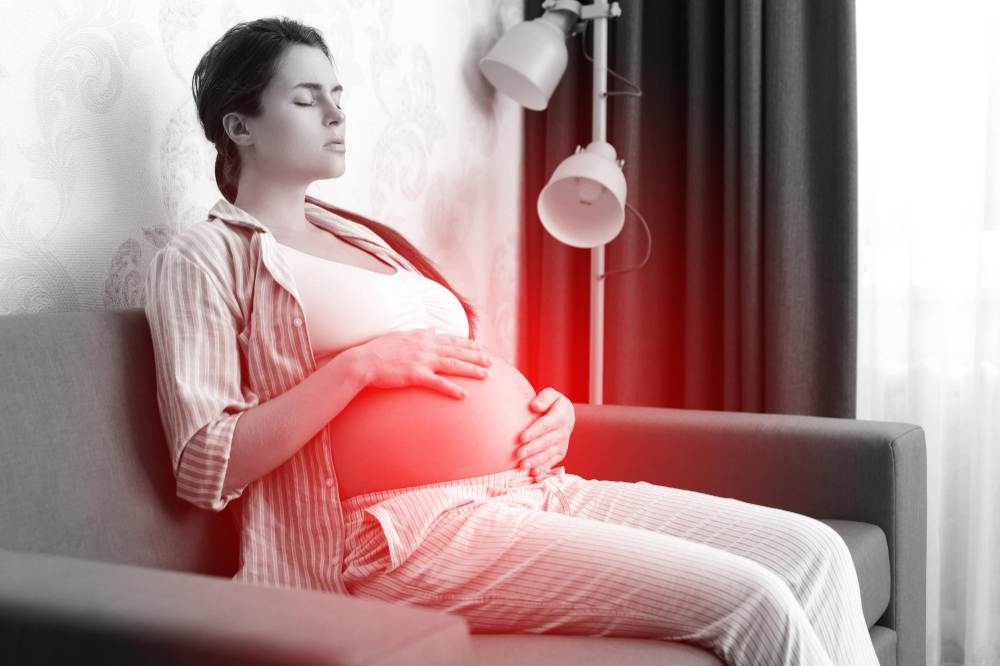
Hearing the words high-risk pregnancy for the first time can feel frightening, even though the term is far more common than most expecting mothers realise. It does not always mean something is wrong. It simply means that a pregnancy needs closer monitoring because of certain factors that could affect the health of the mother, the baby, or both.
Understanding what actually makes a pregnancy high risk can replace fear with clarity. If you are looking for a high risk pregnancy specialist in Kalamboli because your doctor has flagged a concern, or you simply want to be prepared, this guide walks you through the most common risk factors and when expert care becomes essential.
What Does High Risk Pregnancy Actually Mean?
A pregnancy is labelled high risk when there is an increased chance of complications before, during, or after delivery. This label is not a diagnosis in itself. It is a signal for doctors to plan more frequent checkups, additional tests, and a more personalised birth plan so that both mother and baby stay safe.
Many women with high-risk pregnancies go on to deliver healthy babies with no lasting issues, especially when the pregnancy is monitored by an experienced high-risk pregnancy specialist in Kalamboli from an early stage.
Common Risk Factors Every Expecting Mother Should Know
1. Maternal Age
Pregnancies in women under 17 or over 35 carry a slightly higher risk of complications such as gestational diabetes, high blood pressure, and chromosomal abnormalities. Age alone is rarely a problem, but it does call for closer monitoring.
2. Pre-existing Health Conditions
Conditions such as diabetes, thyroid disorders, high blood pressure, heart disease, kidney disease, or autoimmune disorders can all influence how a pregnancy progresses. Women with these conditions usually need a customised care plan right from the first trimester.
3. Multiple Pregnancy
Carrying twins, triplets, or more naturally increases the risk of premature labour, low birth weight, and other complications, simply because the body is supporting more than one baby at once.
4. Pregnancy-Related Conditions
Some conditions develop during pregnancy itself, such as gestational diabetes, preeclampsia, or placenta previa. These are usually picked up through routine screening and can be managed effectively with timely medical care.
5. History of Pregnancy Complications
Women who have previously experienced a miscarriage, preterm birth, stillbirth, or complications in an earlier pregnancy are often monitored more closely in subsequent pregnancies, since the same risk factors can sometimes repeat.
6. Lifestyle Factors
Smoking, alcohol consumption, being significantly underweight or overweight, and poor nutrition can all raise the likelihood of complications. Many of these factors can be improved before or during pregnancy with the right guidance.
7. Fertility Treatment Pregnancies
Pregnancies conceived through IVF or other assisted reproductive methods are sometimes classified as high risk, mainly due to higher chances of multiple pregnancy or underlying fertility-related health conditions.
8. Uterine or Structural Concerns
Fibroids, an unusually shaped uterus, or a weak cervix can affect how a pregnancy progresses and may require additional monitoring or interventions to prevent early labour.
Warning Signs That Need Prompt Medical Attention
While regular checkups catch most concerns early, certain symptoms should never be ignored, including severe abdominal pain, heavy vaginal bleeding, sudden swelling of the face or hands, severe headaches with blurred vision, reduced foetal movement, or a high fever. If any of these occur, reaching out to your doctor immediately, rather than waiting for the next scheduled visit, can make a real difference.
Why Choosing the Right Specialist Matters
Not every pregnancy needs a specialist, but when risk factors are present, experienced care becomes far more important than convenience. A qualified high-risk pregnancy specialist in Kalamboli can identify subtle warning signs early, adjust the monitoring schedule as needed, and coordinate with other specialists if a condition like diabetes or thyroid disease needs parallel management.
At Sharada Women’s Hospital, expecting mothers receive individualised attention throughout pregnancy, particularly those with high-risk factors. The hospital’s experienced team of gynecologists and obstetricians works closely with each patient to create a personalised monitoring and care plan suited to her specific needs, ensuring consistent and comprehensive care throughout pregnancy.
How High Risk Pregnancies Are Managed
Management usually involves more frequent prenatal visits, additional ultrasounds and blood tests, closer blood pressure and blood sugar monitoring, and a clear plan for delivery that accounts for any specific risks. In many cases, simple lifestyle adjustments alongside medical supervision are enough to carry the pregnancy to a safe and healthy delivery.
Frequently Asked Questions
No. It simply means there is a higher chance of complications, which is why closer monitoring is recommended. Many high risk pregnancies result in perfectly healthy deliveries.
Yes. Maintaining a balanced diet, avoiding smoking and alcohol, managing weight, and attending all prenatal checkups can significantly reduce certain risks.
Not automatically, but it is a factor doctors consider alongside overall health, medical history, and any pregnancy-related symptoms.
This varies by individual case, but high-risk pregnancies typically require more frequent visits than a standard pregnancy schedule.
Expecting mothers can consult the specialists at Sharada Women’s Hospital, Kalamboli, for thorough evaluation, personalised monitoring, and dedicated high-risk pregnancy care.
Conclusion:
Being told your pregnancy is high risk can feel overwhelming, but with the right specialist and consistent monitoring, most women go on to have safe and healthy deliveries. Understanding your specific risk factors early gives you and your doctor the best chance to plan.
Book an appointment with Sharada Hospital today to discuss your pregnancy and get the personalised care you and your baby deserve.