
Endometriosis Symptoms: 10 Warning Signs Women Should Not Ignore
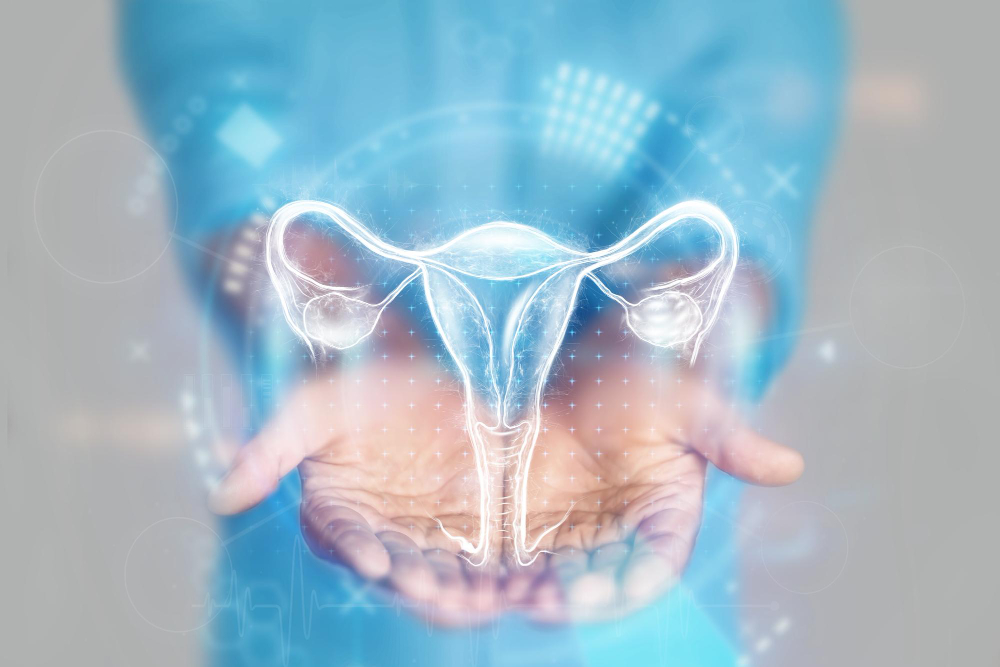
Painful periods are common, but severe or recurring pain that interferes with daily life should not simply be dismissed as a normal part of menstruation. If period pain affects your sleep, work, studies, relationships, or daily activities, it may be worth discussing with a gynecologist.
Endometriosis is a condition in which tissue similar to the lining of the uterus grows outside the uterus. Recognising possible symptoms can help women seek an appropriate evaluation instead of living with unexplained pain for years.
What Is Endometriosis?
Endometriosis occurs when tissue similar to the uterine lining develops outside the uterus, commonly around the ovaries, fallopian tubes, and other areas of the pelvis. This tissue responds to hormonal changes during the menstrual cycle and can contribute to inflammation, pain, and scar tissue.
The condition can affect women differently. Some may experience severe pain, while others may have mild symptoms or no obvious symptoms. Endometriosis can also be associated with difficulties becoming pregnant.
10 Warning Signs Women Should Not Ignore
1. Period Pain That Disrupts Daily Life
Some menstrual cramping is common. However, pain that regularly causes you to miss work, college, social activities, or other daily routines deserves medical attention. Endometriosis-related pain may begin before menstruation and continue during the period.
2. Unusually Heavy or Long Periods
Very heavy menstrual bleeding or periods that last longer than usual can have several causes, including endometriosis and other gynecological conditions. Frequent pad or tampon changes, large blood clots, or prolonged bleeding should be discussed with a healthcare professional.
3. Pelvic Pain Between Periods
Pelvic pain that continues outside the menstrual period can occur with endometriosis. Persistent or recurring lower abdominal or pelvic discomfort should be evaluated rather than repeatedly attributed to digestive problems or period-related discomfort.
4. Pain During or After Intercourse
Deep pain during or after intercourse can be associated with endometriosis, particularly when lesions affect areas around the uterus or other pelvic structures. Although this can be difficult to discuss, it is an important symptom to mention during a gynecological consultation.
5. Painful Bowel Movements or Urination
Pain while passing stool or urinating, particularly when it occurs or becomes worse around menstruation, can be associated with endometriosis. Blood in the stool or urine should always be medically evaluated because it can have several possible causes.
6. Persistent Bloating
Some women with endometriosis experience significant abdominal bloating, sometimes referred to as endo belly. Bloating that repeatedly occurs around menstruation, especially when accompanied by pelvic pain or digestive symptoms, should be discussed with a doctor.
7. Difficulty Becoming Pregnant
Endometriosis can sometimes affect fertility. Scar tissue, inflammation, and changes around the reproductive organs may contribute to difficulties conceiving. If you have been trying to become pregnant without success, a fertility evaluation can help identify possible causes.
8. Persistent Fatigue
Some women with endometriosis report ongoing fatigue, particularly when they experience chronic pain, inflammation, or heavy menstrual bleeding. Persistent tiredness should not automatically be attributed to endometriosis, as conditions such as anaemia and thyroid disorders can also cause fatigue.
9. Lower Back or Leg Pain
Endometriosis can sometimes cause pain in the lower back, hips, or legs, particularly when pelvic tissues or nerves are affected. Pain that follows a recurring menstrual pattern can be useful information for your gynecologist.
10. Cyclical Digestive Problems
Bloating, constipation, diarrhoea, nausea, or abdominal discomfort that repeatedly becomes worse around your period may occur in women with endometriosis. However, these symptoms can also be caused by several digestive conditions, so proper evaluation is important.
When Should You See a Gynecologist?
Consider booking a consultation if you notice:
- Period pain that does not improve with usual pain-relief measures
- Very heavy or prolonged menstrual bleeding
- Pelvic pain that keeps returning or occurs between periods
- Pain during or after intercourse
- Painful bowel movements or urination, especially around your period
- Difficulty becoming pregnant
- Symptoms that are becoming more frequent or affecting your daily life
Endometriosis can be difficult to identify because its symptoms can overlap with other menstrual, pelvic, and digestive conditions. A gynecologist may review your symptoms and medical history and may recommend a pelvic examination, ultrasound, or other investigations. In selected cases, laparoscopy may be considered as part of the diagnostic or treatment process.
If you are experiencing symptoms that may be linked to endometriosis, Sharada Women’s Hospital provides evaluation and care for endometriosis, menstrual disorders, PCOS/PCOD, and fertility concerns. The hospital offers a supportive environment where women can discuss sensitive symptoms and receive care based on their individual needs. Book your appointment today to discuss your symptoms and explore the right treatment options with our gynecology team.
Frequently Asked Questions
There is currently no guaranteed permanent cure, but symptoms can often be managed with medication, hormonal treatment, or surgery when appropriate.
Yes. Symptoms can begin during the teenage years and may sometimes be mistaken for ordinary menstrual cramps.
No. Many women with endometriosis become pregnant naturally. However, the condition can affect fertility in some women.
Diagnosis starts with a detailed medical history and assessment of symptoms. A pelvic examination, ultrasound, and other investigations may be recommended. Laparoscopy may be considered in selected cases.
Sharada Women’s Hospital provides evaluation and treatment for endometriosis, along with care for menstrual and fertility concerns.
Conclusion:
Severe or recurring period pain should not be ignored, particularly when it interferes with everyday activities or occurs alongside other symptoms such as pelvic pain, painful intercourse, digestive problems, or difficulty conceiving.
Recognising these possible signs and discussing them with a gynecologist can help identify whether endometriosis or another condition may be contributing to your symptoms. Sharada Women’s Hospital provides gynecological care and evaluation for women experiencing menstrual and reproductive health concerns. Book your appointment today to discuss your symptoms and explore the right treatment options with our gynecology team.