Birth Control Options for Women: Choosing What’s Right for You
February 11, 2026
adminshar
0 Comments
Birth Control Options for Women
Choosing birth control isn’t just about preventing pregnancy it’s about understanding your body, your lifestyle, and what makes you feel comfortable and in control. With so many birth control options for women available today, it’s normal to feel overwhelmed. Pills, devices, injections, natural methods how do you know which one is right for you?
The truth is, there’s no “best” option for everyone. There’s only what works best for you. Let’s break it down in a simple, honest way.
Why Birth Control Is a Personal Choice
Every woman’s body reacts differently to contraception. Age, health conditions, menstrual patterns, future pregnancy plans, and even daily routine play a role.
Some women want:
➡ A short-term option ➡ Hormone-free contraception ➡ Long-term protection ➡ Period regulation Understanding your needs is the first step to choosing the right method.
Hormonal Birth Control Options
Hormonal methods work by preventing ovulation, thickening cervical mucus, or thinning the uterine lining.
Birth Control Pills
One of the most commonly used options.
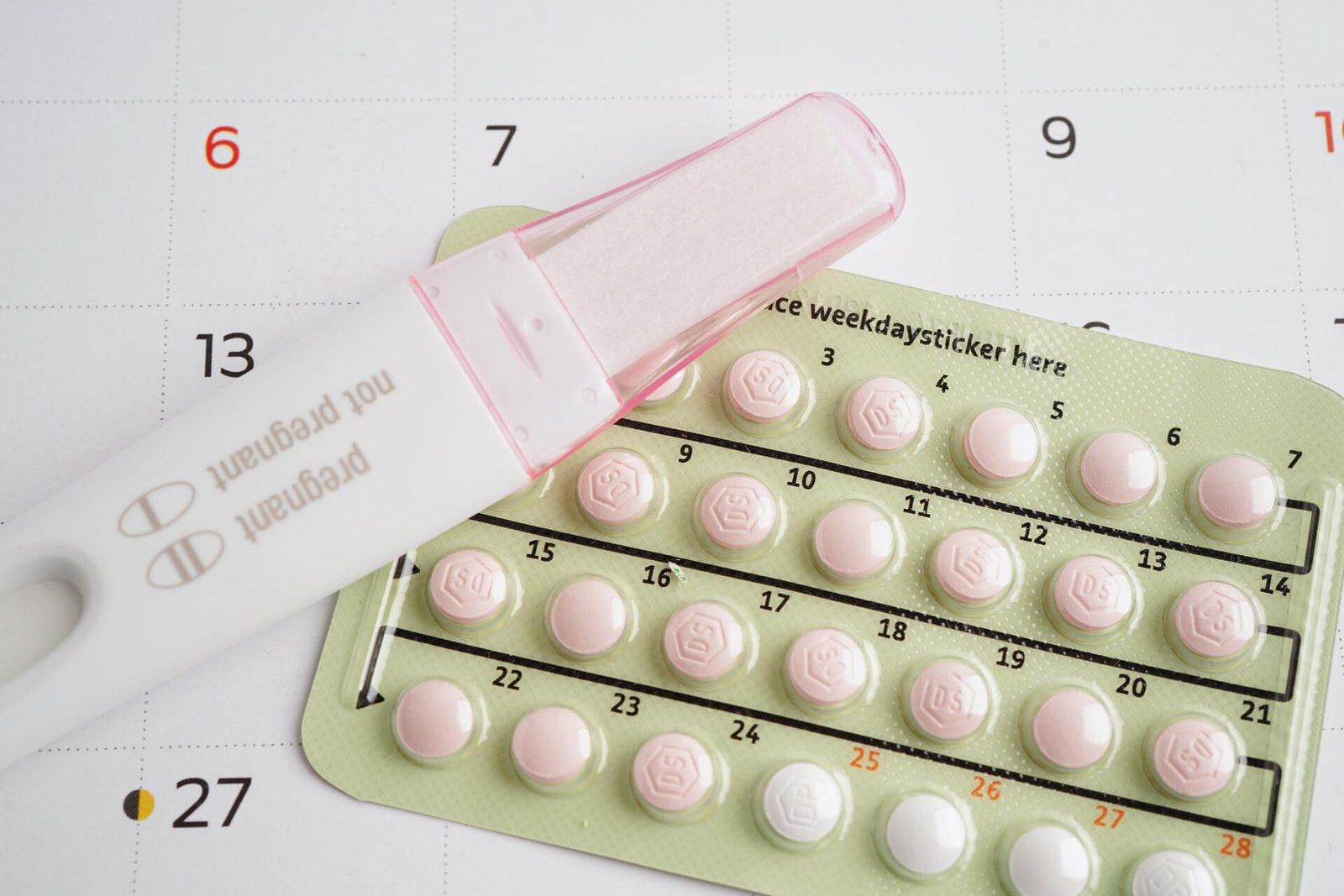
Pros: ➡ Highly effective when taken correctly ➡ Can regulate periods ➡ Helps reduce cramps and acne
Things to consider: Pills must be taken daily at the same time. They may not suit women with certain medical conditions.
Birth Control Injections
These are hormone injections given every few months.
Pros: ➡ Convenient ➡ No daily reminder ➡ Highly effective
Things to consider: Periods may become irregular initially, and fertility may take time to return after stopping mind.
Hormonal Intrauterine Device (IUD)
A small device placed inside the uterus by a doctor.
Pros: ➡ Long-term protection ➡ Very effective ➡ Low maintenance
Things to consider: Insertion requires a medical procedure, and mild discomfort may occur initially.
Non-Hormonal Birth Control Options
Not all women want or can use hormonal contraception.
Copper IUD
A hormone-free device placed in the uterus.
Pros: ➡ Long-lasting ➡ No hormones ➡ Highly effective
Things to consider: Periods may be heavier or more painful in the initial months.
Barrier Methods (Condoms)
Used during intercourse to prevent pregnancy.
Pros: ➡ Easily available ➡ No hormones ➡ Protect against sexually transmitted infections
Things to consider: Effectiveness depends on correct and consistent use.
Natural Birth Control Methods
These methods rely on tracking fertility signs to avoid pregnancy.
Fertility Awareness Methods
Involves tracking ovulation using cycle dates, body temperature, or cervical mucus.
Pros: ➡ No hormones ➡ No medical intervention
Things to consider: Requires discipline and may be less effective if cycles are irregular.
Emergency Contraception
Emergency pills are used after unprotected intercourse.
Important to know: They are not meant for regular use and should not replace a consistent birth control method.
Choosing the Right Birth Control Option
There’s no one-size-fits-all answer.
You should consider: ➡ Your age and health history ➡ Whether you want children in the future ➡ Your comfort with hormones ➡ How easy the method is to use consistently
A discussion with a gynecologist helps you weigh the pros and cons based on your individual needs.
Common Myths About Birth Control
Let’s clear up a few misconceptions:
➡ Birth control does not cause permanent infertility ➡ Not all methods lead to weight gain ➡ Long-term contraception is safe for most women
Accurate information helps you make confident choices.
When Should You Talk to a Doctor?
You should consult a gynecologist if:
➡ You’re starting birth control for the first time ➡ You experience side effects ➡ You want to switch methods ➡ You’re planning pregnancy in the future
Professional guidance ensures safety and effectiveness.
Final Thoughts: Informed Choices Empower Women
Understanding birth control options for women is about more than contraception it’s about autonomy, health, and confidence.
The right method should fit into your life, not disrupt it. Asking questions, exploring options, and seeking expert advice are all part of making the best decision for your body.
If you’re unsure where to start, a conversation with a trusted gynecologist can make the process far less confusing and far more empowering.
If you experience symptoms discussed above, book a consultation via our Contact Us page today.”