
Reasons for Delayed Periods: Common Causes You Should Know
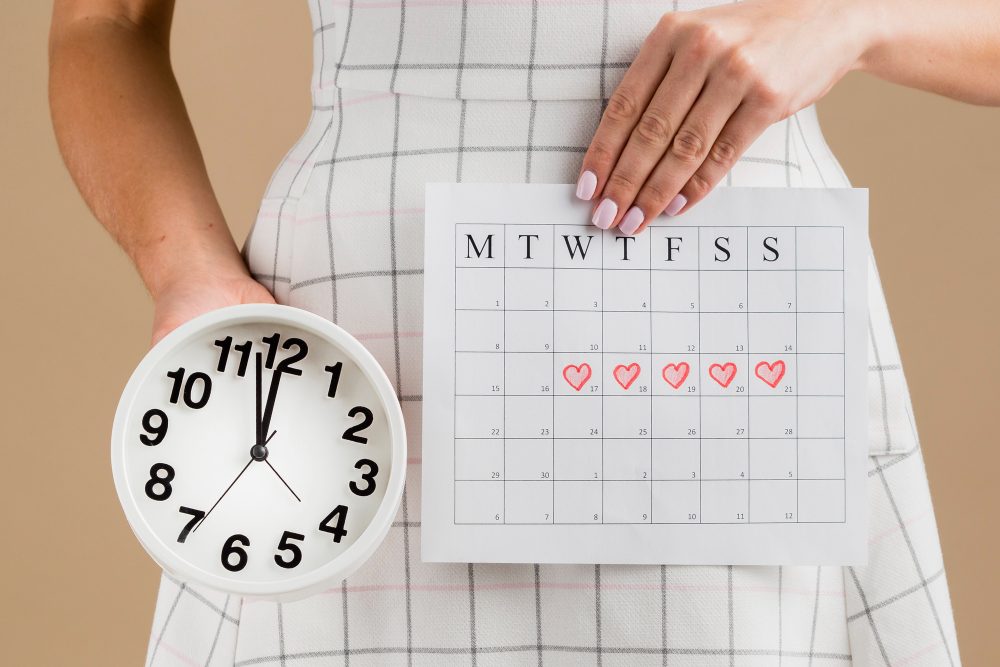
Most women have had that moment of checking the calendar twice, counting the days again, and wondering whether the period is genuinely late. A delay of a few days is often not a cause for concern. However, when periods become consistently delayed or unpredictable, it may indicate that something is affecting ovulation or the hormones that regulate the menstrual cycle. Understanding the possible reasons for delayed periods can help you know when it is reasonable to wait and when it is time to consult a top gynecologist in Navi Mumbai.
Why Do Periods Get Delayed?
A period is closely linked to ovulation. After an egg is released, the body prepares the uterus for a possible pregnancy. If pregnancy does not occur, hormone levels eventually fall and the uterine lining is shed as a period.
The timing of ovulation can vary from one cycle to another. Stress, changes in weight, illness, hormonal conditions and several other factors can delay ovulation, which can make the period arrive later than expected. In some cases, ovulation may not occur during that cycle at all.
This is why a delayed period is not necessarily a problem with bleeding itself. It can be a sign that the hormonal process leading to ovulation has been temporarily or persistently affected.
Delayed Periods at Different Life Stages
During the Teen Years and Early 20s
Periods can be irregular during the first few years after menstruation begins because the hormonal system that controls ovulation is still developing. Some variation can be normal during this stage.
Persistent irregular cycles, particularly when accompanied by significant acne, excess facial or body hair, weight changes, or other symptoms, may need evaluation.
During the Reproductive Years
Pregnancy is one of the first possibilities to consider when a period is delayed in women who are sexually active, even when contraception is being used.
Other common causes include stress, PCOS, thyroid disorders, changes in weight, excessive exercise and certain medications. If delayed periods occur repeatedly, identifying the underlying cause is more useful than simply trying to bring the period back each time.
During the Late 30s and 40s
As women approach perimenopause, hormonal fluctuations can cause changes in cycle length and bleeding patterns. Periods may become less predictable, arrive earlier or later than usual, or occasionally be skipped.
Not every change during this stage is due to perimenopause, so persistent or unusual bleeding should still be discussed with a gynecologist.
Everyday Triggers That Can Delay Your Period
A delayed period does not always mean there is an underlying medical condition. Everyday changes can affect the timing of ovulation, including:
- Sudden weight loss or restrictive dieting: Inadequate calorie or nutrient intake can interfere with reproductive hormones.
- Stress: Significant emotional or physical stress can temporarily affect the hormones involved in ovulation.
- Intense exercise: A sudden increase in strenuous exercise may disrupt menstrual cycles.
- Illness: Fever or a significant illness can sometimes delay ovulation.
- Changes in sleep patterns: Night shifts and irregular sleep schedules may affect hormonal rhythms.
- Stopping hormonal contraception: Natural cycles may take some time to become regular after stopping certain contraceptives.
- Breastfeeding: Increased prolactin levels can suppress ovulation and cause periods to remain absent or irregular.
- Long-distance travel: Changes in routine, sleep and time zones may temporarily affect the menstrual cycle.
If periods continue to be irregular after these factors have settled, another underlying cause may need to be considered, and it is worth getting an opinion from a top gynecologist in Navi Mumbai rather than waiting it out indefinitely.
Common Medical Causes of Persistent Delays
PCOS
Polycystic Ovary Syndrome (PCOS) is one of the common reasons periods may become irregular or delayed. It can affect ovulation, causing periods to come less often or sometimes be missed altogether. Other symptoms may include acne, unwanted facial or body hair, weight changes and difficulty getting pregnant.
PCOS is a long-term condition, but its symptoms can be managed with the right approach. Treatment may include lifestyle changes, medicines and regular monitoring, depending on your symptoms and health goals. If you have persistent irregular periods or signs of PCOS, a gynecological evaluation can help identify the cause and guide appropriate care.
For women looking for PCOS treatment in Navi Mumbai, Sharda Women’s Hospital provides evaluation, personalised treatment and ongoing care based on individual symptoms and health needs.
Thyroid Disorders
Both an underactive and overactive thyroid can affect the menstrual cycle. Hypothyroidism may be associated with delayed or heavier periods, fatigue, sensitivity to cold and weight changes.
Thyroid problems can usually be evaluated with blood tests. Appropriate treatment can help restore hormonal balance and improve menstrual regularity.
Other Possible Causes
Persistent delayed periods can also be associated with elevated prolactin levels, certain medications, significant changes in body weight, excessive exercise and other hormonal or reproductive conditions. This is why repeated menstrual irregularity should be evaluated rather than self-diagnosed.
What Does a Gynecologist Check for Delayed Periods?
Depending on your symptoms and medical history, an evaluation may include:
- Menstrual history: Cycle length, last period, bleeding pattern and related symptoms.
- Pregnancy test: Usually one of the first steps when appropriate.
- Blood tests: Thyroid function, prolactin and other hormones may be checked.
- PCOS assessment: Hormonal and metabolic tests may be advised when symptoms suggest PCOS.
- Pelvic ultrasound: This may help assess the uterus, ovaries and uterine lining.
- Physical examination: Recommended when your symptoms indicate that it is needed.
Keeping track of your period dates and symptoms can make the consultation more useful.
When Should You See a Gynecologist?
Consider scheduling a consultation if you experience:
- No period for three months or longer when you are not pregnant or breastfeeding
- Repeatedly irregular or delayed cycles
- Delayed periods with acne, excess facial hair or unexplained weight changes
- Severe or persistent pelvic pain
- Very heavy bleeding when your period arrives
- Bleeding between periods or after intercourse
- A sudden change in a previously regular menstrual pattern
- Irregular periods while trying to conceive
Seek prompt medical attention for severe pelvic pain, fainting or unusually heavy bleeding.
Expert Women's Healthcare at Sharda Women's Hospital
Sharda Women’s Hospital provides evaluation and treatment for menstrual irregularities, PCOS and PCOD, thyroid-related cycle changes, and fertility concerns.
If you are looking for a top gynecologist in Navi Mumbai, the focus should be on understanding why your periods are delayed rather than treating the symptom alone. Your consultation may involve reviewing your menstrual history, symptoms, lifestyle factors and appropriate diagnostic tests before deciding on treatment.
Women can also discuss irregular periods, hormonal concerns, PCOS and other gynecological issues in a comfortable and confidential setting. Treatment is planned according to individual symptoms, health needs and reproductive goals.
Frequently Asked Questions
When it has not started around the time you normally expect it based on your usual cycle.
Yes. Testing very early can give a negative result. Consider repeating the test after several days if the period does not arrive.
They can sometimes indicate irregular ovulation, which may make conception more difficult, but irregular cycles do not necessarily mean infertility.
Yes. Significant weight loss or gain can affect hormones and ovulation.
Consult a gynecologist if periods repeatedly become delayed, disappear for several months or occur with pain, unusual bleeding or other concerning symptoms.
Conclusion:
A delayed period can result from temporary changes in stress, sleep, weight or routine, but recurring delays may also point to PCOS, thyroid problems or other hormonal conditions. Tracking your cycle and paying attention to accompanying symptoms can help identify when evaluation is needed.
If your periods have become irregular or are repeatedly delayed, book a consultation at Sharda Women’s Hospital for an evaluation and personalised care from a top gynecologist in Navi Mumbai. Getting the underlying cause identified can help you understand your cycle and choose the right treatment when needed.
Book your appointment today at Sharda Women’s Hospital to discuss your menstrual health concerns and receive personalised guidance from our gynecology team.