
Uterine Fibroids: Causes, Symptoms, and Management
- Home
- Uterine Fibroids: Causes, Symptoms, and Management
- adminshar
- 0 Comments
Uterine Fibroids: Causes, Symptoms, and Management
Uterine fibroids are one of the most common gynecological conditions affecting women of reproductive age. Although they are non-cancerous, fibroids can significantly impact a woman’s quality of life when symptoms become severe. Understanding uterine fibroids: causes, symptoms, and management is essential for early diagnosis, appropriate treatment, and better long-term reproductive health outcomes.
This comprehensive guide explores uterine fibroids in detail, including why they occur, how they present, and the modern management options available today.
What Are Uterine Fibroids?
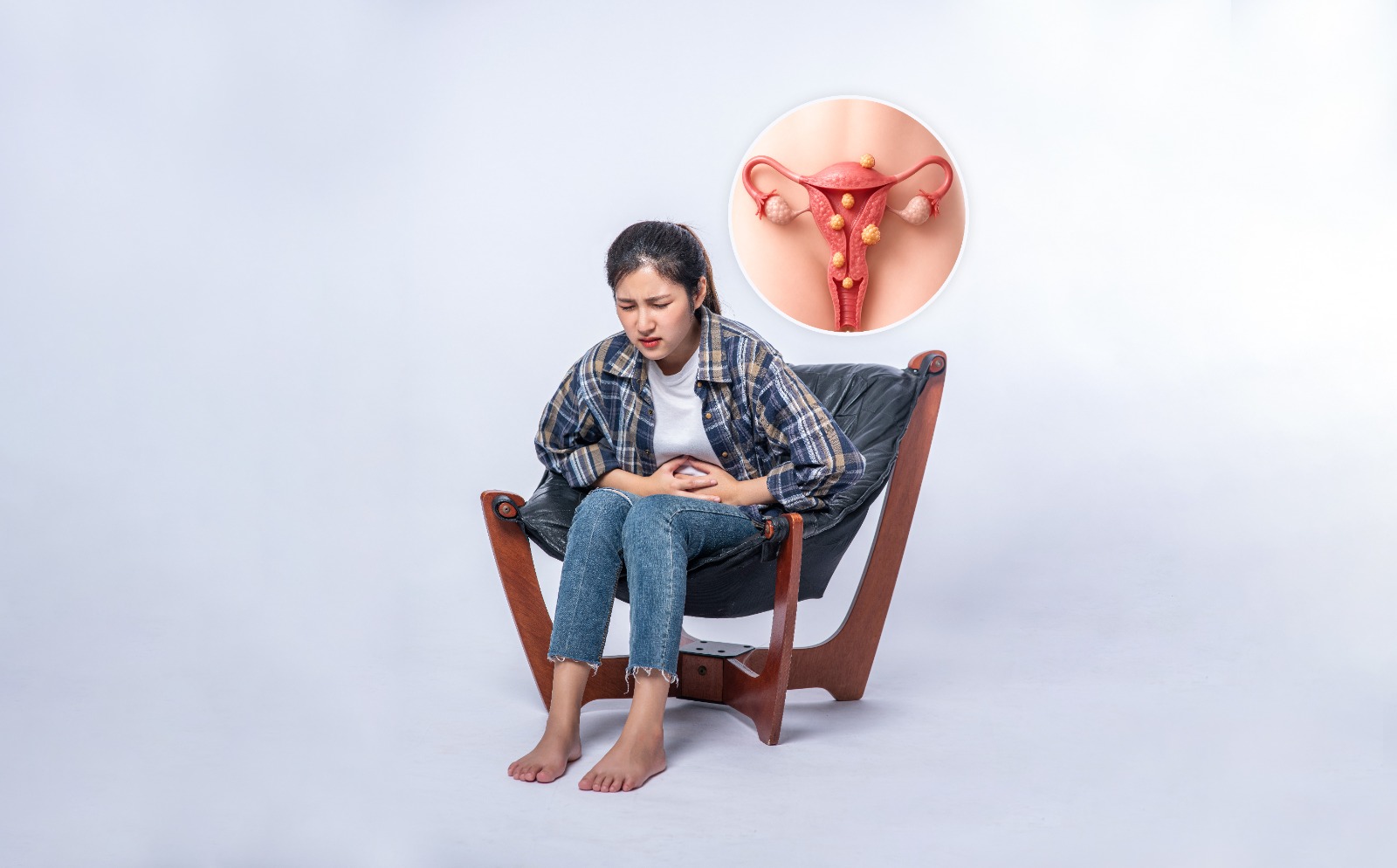
Uterine fibroids, also known as leiomyomas or myomas, are benign growths that develop from the smooth muscle tissue of the uterus. These growths vary widely in size, shape, and number. Some fibroids remain extremely small and go unnoticed, while others grow large enough to distort the uterus.
Fibroids are not cancerous and rarely become malignant. Many women may have fibroids without experiencing any symptoms, while others may face significant discomfort depending on the fibroids’ size and location.
Uterine Fibroids: Causes and Risk Factors
The exact cause of uterine fibroids is not completely understood, but research suggests that multiple factors contribute to their development.
1. Hormonal Influence
Estrogen and progesterone play a crucial role in fibroid growth. These hormones stimulate the uterine lining during the menstrual cycle and can promote fibroid enlargement. Fibroids often grow during reproductive years and tend to shrink after menopause when hormone levels decline.
2. Genetic Factors
Fibroids often run in families. Women with close relatives who have had fibroids are more likely to develop them. Certain genetic changes in uterine muscle cells may also contribute to fibroid formation.
3. Growth Factors
Substances in the body that help tissues maintain themselves, such as insulin-like growth factors, may influence fibroid growth.
4. Lifestyle and Health Factors
➡ Obesity and excess body weight
➡ Early onset of menstruation
➡ Vitamin D deficiency
➡ Diets high in red meat and low in green vegetables
➡ Limited physical activity
These factors may increase the risk of developing uterine fibroids, though they do not directly cause them.
Types of Uterine Fibroids
Uterine fibroids are classified based on where they grow in or around the uterus:
1. Intramural Fibroids
These develop within the muscular wall of the uterus and are the most common type.
2. Submucosal Fibroids
Located just beneath the uterine lining, these fibroids can protrude into the uterine cavity and are often associated with heavy menstrual bleeding and fertility issues.
3. Subserosal Fibroids
These grow on the outer surface of the uterus and may press on nearby organs, such as the bladder or bowel.
4. Pedunculated Fibroids
These fibroids are attached to the uterus by a stalk and can grow either inside or outside the uterus.
Symptoms of Uterine Fibroids
Many women with fibroids experience no symptoms. However, when symptoms occur, they can range from mild to severe.
Common Symptoms
➡ Heavy or prolonged menstrual bleeding
➡ Menstrual periods lasting longer than seven days
➡ Bleeding between periods
➡ Pelvic pain or pressure
➡ Pain during sexual intercourse
➡ Frequent urination due to pressure on the bladder
➡ Difficulty emptying the bladder
➡ Constipation or rectal pressure
➡ Lower back pain
➡ Abdominal bloating or visible enlargement
Chronic heavy bleeding may lead to iron-deficiency anemia, causing fatigue, weakness, and shortness of breath.
Uterine Fibroids and Fertility
Fibroids can affect fertility depending on their size and location. Submucosal fibroids, in particular, may interfere with embryo implantation or increase the risk of miscarriage. During pregnancy, fibroids may increase the likelihood of complications such as preterm labor, abnormal fetal position, or the need for cesarean delivery.
It is important to note that many women with fibroids conceive and carry healthy pregnancies, especially with appropriate medical guidance.
How Are Uterine Fibroids Diagnosed?
Fibroids are often discovered during routine pelvic examinations or imaging tests.
Common Diagnostic Methods
➡ Pelvic ultrasound to visualize fibroid size and location
➡ MRI scans for detailed imaging and treatment planning
➡ Saline infusion sonography to assess fibroids within the uterine cavity
➡ Hysteroscopy to directly view fibroids inside the uterus
Accurate diagnosis helps determine the most appropriate management strategy.
Uterine Fibroids: Management and Treatment Options
Management of uterine fibroids depends on symptoms, age, fibroid characteristics, and future pregnancy plans.
1. Watchful Waiting
If fibroids are small and asymptomatic, doctors may recommend regular monitoring without active treatment.
2. Medical Management
Medications can help control symptoms but do not eliminate fibroids:
➡ Hormonal therapies to regulate menstrual bleeding
➡ Gonadotropin-releasing hormone (GnRH) medications to temporarily shrink fibroids
➡ Non-steroidal anti-inflammatory drugs for pain relief
➡ Medications to reduce heavy menstrual bleeding
3. Minimally Invasive Procedures
➡ Uterine artery embolization reduces blood flow to fibroids, causing them to shrink
➡ Focused ultrasound therapy destroys fibroid tissue using high-energy waves
These options preserve the uterus but may not be suitable for women planning pregnancy.
4. Surgical Management
➡ Myomectomy: Removal of fibroids while preserving the uterus, often recommended for women who wish to conceive
➡ Hysterectomy: Complete removal of the uterus; the only definitive cure for fibroids but eliminates fertility
Advances in laparoscopic and minimally invasive surgery have significantly reduced recovery time and postoperative discomfort.
Living with Uterine Fibroids
Lifestyle adjustments may help manage symptoms:
➡ Maintaining a healthy weight
➡ Eating a balanced, nutrient-rich diet
➡ Managing stress levels
➡ Regular gynecological check-ups
Early medical intervention can prevent complications and improve overall quality of life.
Conclusion: Understanding Uterine Fibroids
Understanding uterine fibroids: causes, symptoms, and management allows women to take control of their reproductive health. While fibroids are common and usually benign, they should not be ignored especially when symptoms interfere with daily life or fertility goals.
If you experience heavy menstrual bleeding, pelvic pain, or unexplained abdominal discomfort, consulting a gynecologist is the first step toward accurate diagnosis and personalized care.
If you experience symptoms discussed above, book a consultation via our Contact Us page today.”